How Do I Train for an 8,000m Mountain?
How I build the endurance, strength and mountain fitness I need for 8,000m expeditions, and why I believe the best training for climbing mountains is climbing mountains.
CHAPTER 1
The Best Training Is Climbing Mountains
One of the questions I get asked most often is how I train for 8,000m mountains.
The answer is probably less complicated than people expect.
I don't spend hours on a stair machine trying to simulate climbing Everest. In fact, I've never used one. For me, the best training for climbing mountains is climbing mountains.
My training is built around endurance, carrying weight, spending a lot of time on my feet and getting into the mountains as often as possible.
Whenever possible, I would rather climb a smaller mountain than try to replicate the same workload entirely inside a gym.
That's one reason I climb so frequently.
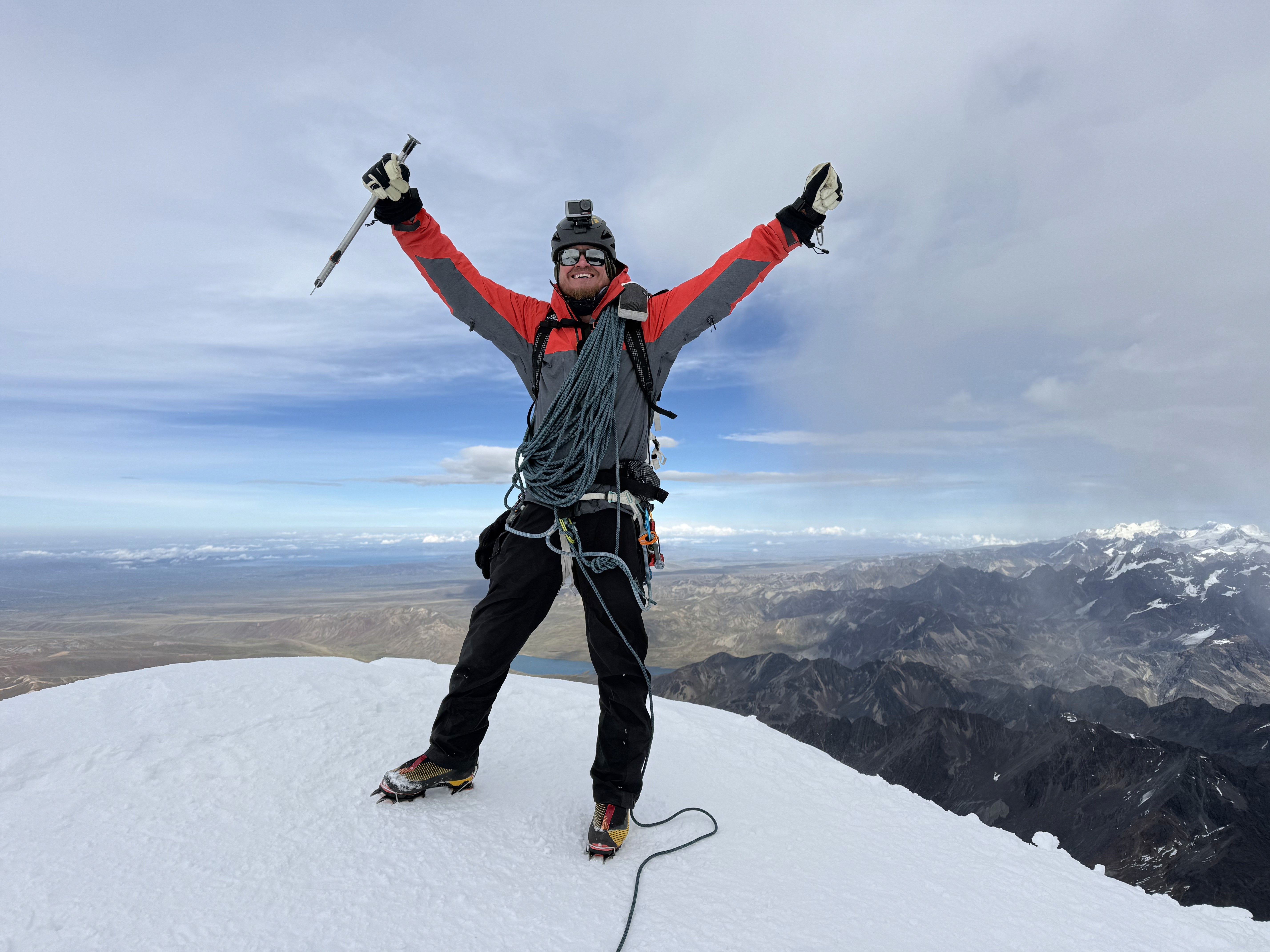
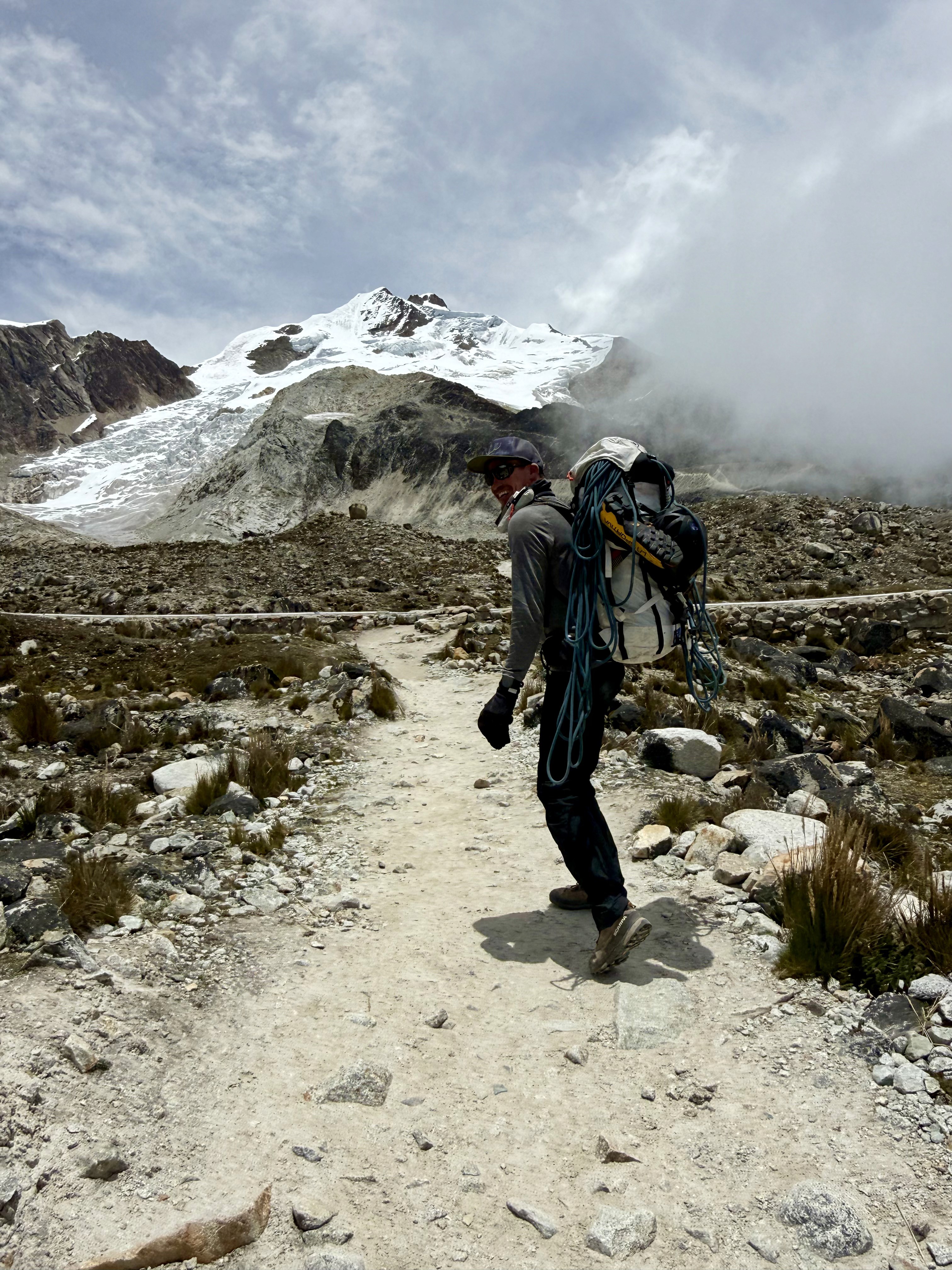
Before Everest in 2026, for example, I spent the preceding months climbing extensively through South America and Mexico. There were 5,000m and 6,000m mountains, long summit days, heavy packs, technical climbing and plenty of time at altitude.
I wasn't doing those climbs simply to tick mountains off a list.
They were training.
You learn how your body responds when you're tired. You learn how much you need to eat and drink. You test equipment. You make mistakes. You improve your systems.
And none of that is particularly easy to reproduce on a treadmill.

CHAPTER 2
Building Mountain Fitness
An 8,000m expedition isn't about being able to produce a huge effort for an hour.
You're moving for hours at a time, often day after day, carrying a pack and trying to conserve enough energy to do it all again tomorrow.
So a lot of my training is relatively low intensity.
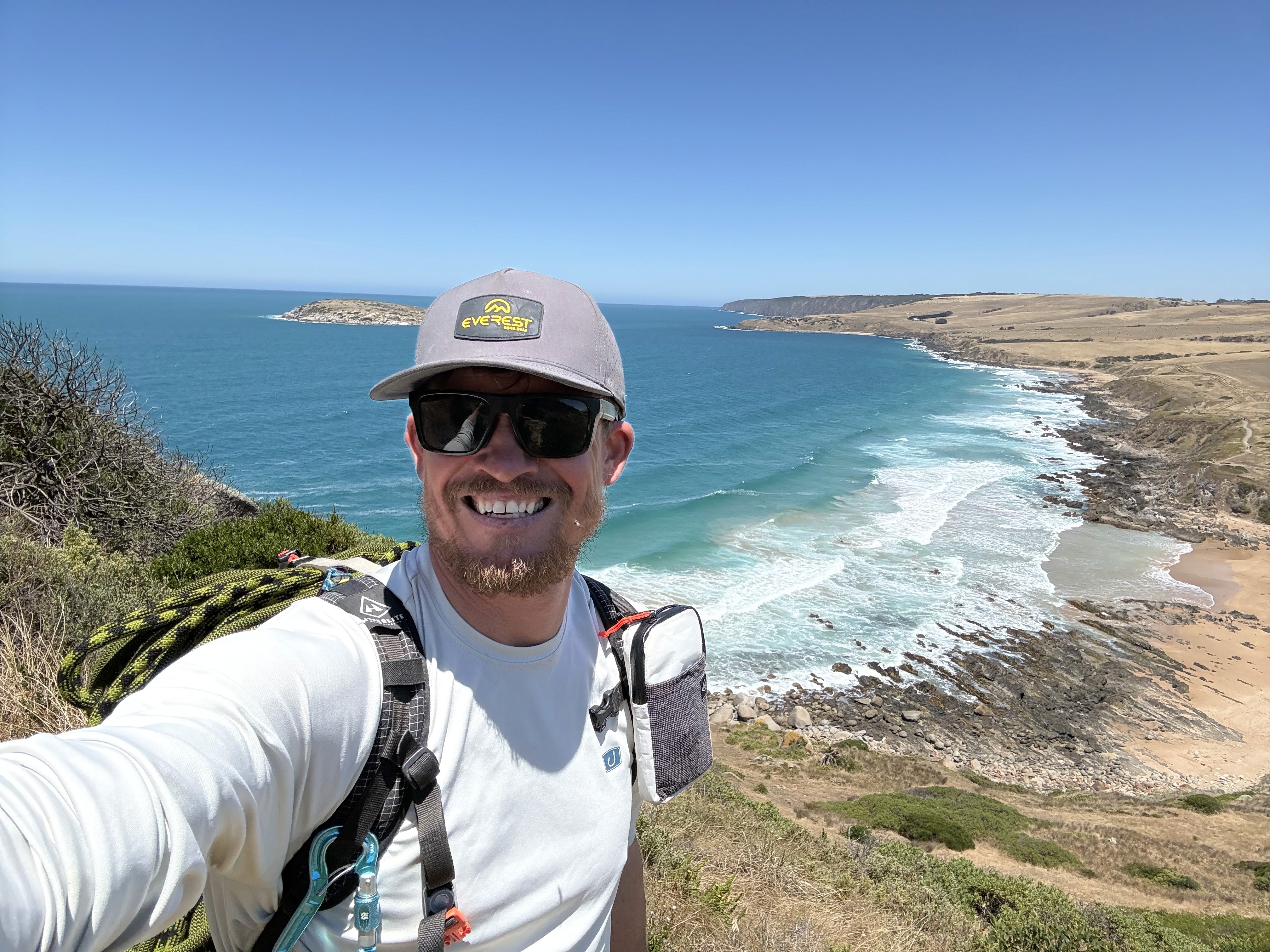
I do plenty of Zone 2 work long hikes, uphill walking and carrying a pack. I'm trying to build an aerobic engine that allows me to keep moving efficiently without constantly pushing myself into the red.
Pack carries are a big part of that.
On an expedition I'm going to spend a lot of time carrying equipment between camps, so it makes sense to train my body to do exactly that. For a lot of my training and shorter mountain days I use my Hyperlite Mountain Gear Prism 40. It's one of my older packs and has been with me for years.
I'm not particularly interested in loading a pack with ridiculous amounts of weight just for the sake of it. I'm trying to condition my body to actually carry a pack efficiently for hours at a time over real terrain.
It's not just cardiovascular training either. Your feet, ankles, knees, hips, back and shoulders all have to become accustomed to moving uphill and downhill for hours under load.
And I think the downhill part is often overlooked.
Getting to the top is only half the job. On big mountains you still need strong enough legs to descend safely when you're already exhausted.
What About the Gym?
Because I'm travelling most of the time, I don't actually spend that much time in a traditional gym. I've also never been on a stair stepper.
That doesn't mean I don't think gym work is useful.
I think light, consistent strength training is an important part of preparing for the mountains, particularly if you live somewhere where you can't regularly get outside and climb or hike with elevation.
I'm not trying to become a powerlifter or chase gym numbers. For me, strength work is there to support what I do in the mountains.
Because I travel so much, I favour exercises I can do almost anywhere. That means plenty of bodyweight and calisthenics-style work, with particular attention to my legs, core, knees and ankles.
I'm interested in useful strength.
Can I carry my pack for hours? Can I repeatedly step high while wearing crampons? Can I control myself descending steep terrain? Can my legs still function after eight or ten hours?
That's what matters to me.
And if you can't regularly get into the mountains, then the gym becomes even more valuable. You can build a huge amount of the strength and aerobic fitness you'll eventually need outside—you just have to remember that fitness in the gym doesn't replace actual mountain experience.
Rock Climbing Is Mountain Training
I also think rock climbing is fantastic training for mountaineering, and not just because of the physical side of it.
It builds strength, movement, balance and confidence on technical terrain, but perhaps more importantly, it teaches you rope skills.
Those skills need to become almost mechanical.
On a mountain, you may be dealing with ropes, carabiners, knots, anchors and equipment when you're exhausted, freezing cold, wearing gloves and not thinking as clearly as you would at sea level.
That's not the time to be trying to remember how a system works.
The more time you spend climbing and handling ropes, the more automatic those movements become.
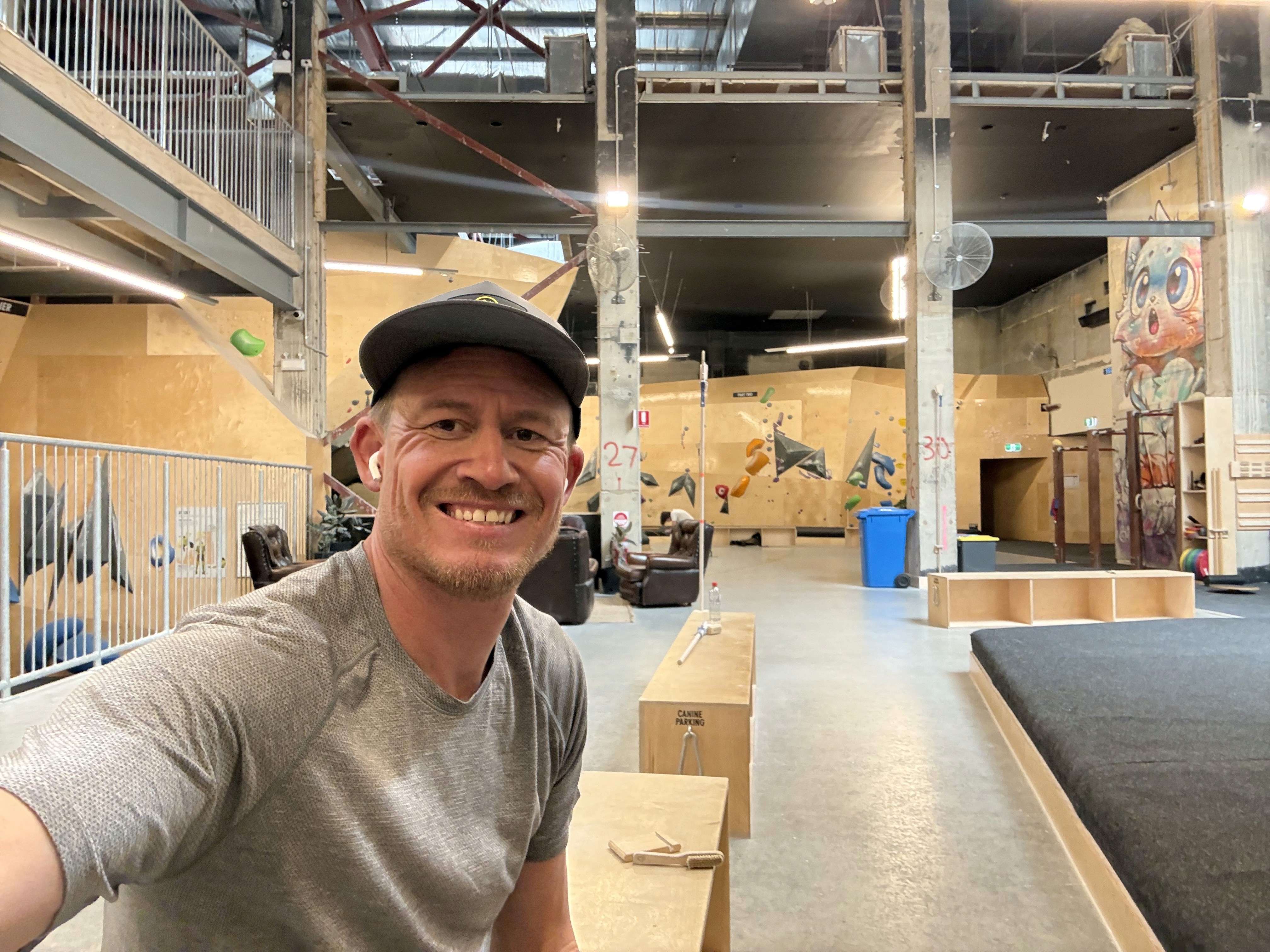
Whenever I can, I like getting outside for both trad and sport climbing. When I'm back home in the city, I'll also try to get to an indoor bouldering gym a few times a week.
I use the same Scarpa Veloce climbing shoes for both indoor and outdoor climbing. They're comfortable enough that I can spend a decent amount of time in them, and they've become my regular climbing shoe.
For roped climbing I use an Arc'teryx Skaha Harness, which works well for both my rock climbing and mountaineering.
Bouldering gives me a great combination of strength, movement and problem-solving, while outdoor climbing gives me the rope work and real-world systems that transfer directly into the mountains.
None of these things individually prepares you for an 8,000m peak. It's the combination that matters.
For me, that's endurance, carrying weight, strength work, climbing and, whenever possible lots of actual time in the mountains.
Consistency matters more than one brutal workout.
I'd much rather maintain that base throughout the year than try to build everything from zero immediately before an expedition.



CHAPTER 3
Fitness vs. Acclimatization
Fitness and acclimatization are two different things, and I think they get confused quite a lot.
You can be incredibly fit at sea level and still struggle badly at altitude.
Fitness helps you move efficiently and gives you a larger physical reserve, but it doesn't make you automatically acclimatized.
Acclimatization comes from spending time at altitude and allowing your body to adapt.
For me, the two increasingly overlap because I climb so frequently.
A good example was Everest in 2026.
I had just summited Annapurna and Makalu before arriving at Everest Base Camp. Instead of doing the traditional Everest acclimatization rotations from Base Camp, I arrived already heavily acclimatized from those previous expeditions.
I went from Makalu directly to Everest Base Camp and ultimately summited Everest on May 21.
That wasn't because acclimatization wasn't important.
It was almost the opposite.
I'd already done it somewhere else.
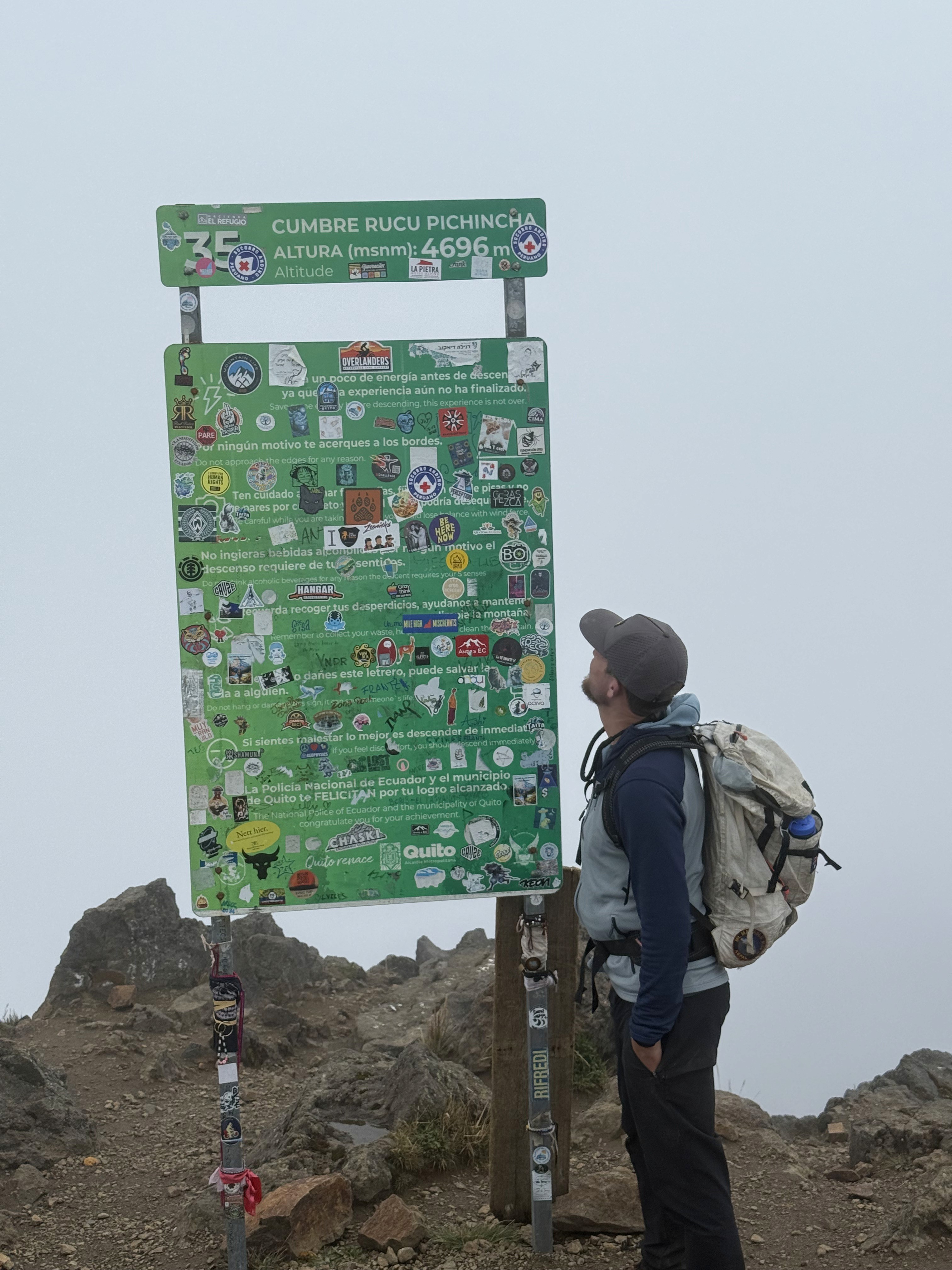
Smaller mountains are incredibly valuable for the same reason. You can practice moving efficiently, managing layers, eating when you don't feel hungry, drinking enough, using crampons, dealing with cold and looking after yourself when you're exhausted.
You also accumulate something that's difficult to measure in a training program: experience.
The more time I spend in the mountains, the more automatic the little things become.
If I had to reduce my approach to a few principles, they would be:
Build a big aerobic endurance base.
Spend plenty of time in Zone 2.
Carry a pack regularly.
Train uphill and downhill.
Keep your knees, ankles and core strong.
Get into the mountains as often as possible.
Use smaller mountains to test yourself and your systems.
Don't confuse fitness with acclimatization.
Be consistent.
Physically, I don't think the answer needs to be particularly complicated.
If I want to get better at climbing mountains, I go and climb mountains.
Want to See What I Actually Use?
I've put together the clothing, climbing equipment, packs, electronics and other gear I actually use on expeditions and in the mountains.
CONTINUE THE STORY
