
EXPEDITION OVERVIEW
STATUS
SUMMITED
EXPEDITION YEAR
2026
SUPPLEMENTAL OXYGEN
WITH O2
THE FIRST OBJECTIVE
Annapurna was the first objective of my 2026 Himalayan season.
I’d arrived in Kathmandu on March 10 after several months climbing through Mexico and South America with Xenia. The plan for the spring was ambitious: climb as many of the 8,000-meter peaks as conditions would allow, starting with whichever mountain opened first.
That mountain was Annapurna.
At 8,091 meters, Annapurna has a reputation that needs little introduction. It’s steep, avalanche-prone and historically one of the most dangerous of the fourteen 8,000ers.
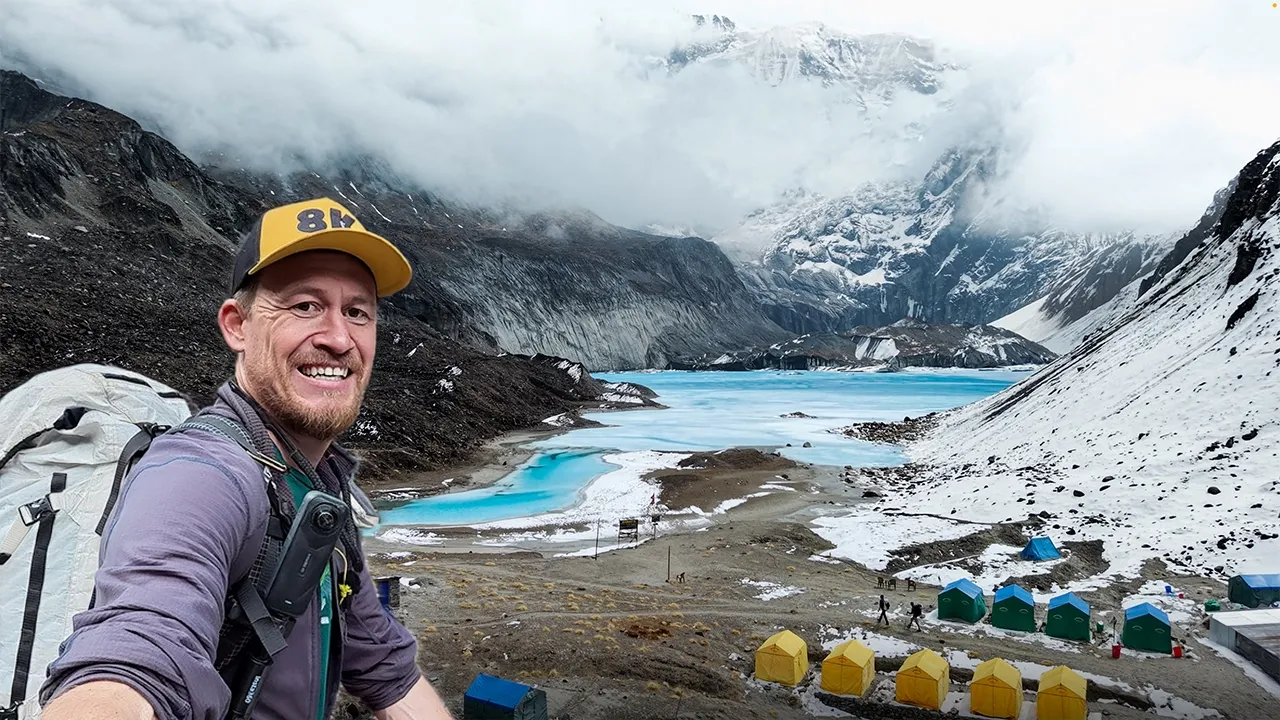
From Kathmandu we travelled to Pokhara, then Tatopani and Hum Khola before beginning the trek along the Maurice Herzog Trail toward Annapurna Base Camp.
Base Camp sits at around 4,190 meters, surrounded by an enormous amphitheatre of Himalayan peaks.
Standing there looking up at Annapurna, the scale of what was ahead became very real.
This would be my second 8,000-meter summit if everything went to plan, and the first mountain of what I hoped would become a very big year.


LEARNING THE MOUNTAIN
Annapurna was where I really started learning how this mountain worked.
My first rotation was with Ashok and Dawa, moving through Camp 1 and up toward Camp 2.
On April 1 we climbed to Camp 1 before continuing higher on the mountain. Two days later, on April 3, we climbed from Camp 1 to Camp 2, carrying six oxygen bottles that had been cached lower down.
For Annapurna I’d moved up to my Hyperlite Halaka 55, which gave me more room than the Prism 40 I’d used on Manaslu. On the lower mountain I was generally climbing in my Arc’teryx Beta shell with Mountain Hardwear softshell pants, Smartwool and Icebreaker layers underneath.
The weather could be surprisingly warm during the day, especially when the sun came out, so I spent a lot of time climbing in my Julbo Shield sunglasses. My Garmin Fenix 8 was constantly on my wrist, giving me altitude, heart rate and a pretty good idea of just how long we’d been moving.
We also decided to take something slightly unusual up the mountain with us, Starlink Mini.
Between around six of us, we split the system across the team. I carried the Starlink, other climbers carried the UGREEN power banks, and someone else carried the FlexSolar 100W solar panel. It meant a little extra weight, but once we had it running at the high camps it was completely worth it.
Suddenly we had proper internet on Annapurna.
We could call Base Camp, speak to friends and family, upload photos and stories, and stay connected while sitting thousands of meters above the valley. We eventually carried the setup as high as Camp 3, both during the rotations and again on the summit push.
I was also carrying my Zoleo satellite communicator throughout the spring season. It worked, but I found that it wasn’t particularly happy in the extreme cold high on the mountain. I’ve since switched to the Garmin inReach Mini 3+, which has handled those conditions much better.
But technology doesn’t change what Annapurna is.
That evening, at around 8:30pm, an avalanche came through below Camp 1 and destroyed part of the route and fixed lines we had used only hours earlier.
Thankfully, nobody was on that section of the mountain when it happened.
It was an early reminder of what makes Annapurna different.
You can do everything right, but you’re still climbing on a mountain where conditions can change in minutes and entire sections of the route can disappear overnight.
After the rotation we returned to Base Camp, recovered and waited.
The next time we went up, it would be for the summit.


THE SUMMIT PUSH
On April 15, we left Base Camp for the summit push.
We climbed directly to Camp 2 in around seven hours and spent the night there before continuing higher the following morning.
For the summit push I was carrying my Hyperlite Halaka 55, with my usual technical setup: Petzl Sarken crampons, Blue Ice harness, Petzl ascender, Petzl Sum’Tec and Black Diamond Vapor helmet.
The climb from Camp 2 to Camp 3 was long, hot and exhausting. We left at around 9am and didn’t reach Camp 3 until roughly 5pm, carrying heavy packs higher onto the mountain.
By this point I was transitioning from my lower-mountain clothing into the kit I would use for the upper mountain. For summit night I was in my Kailas 8,000-meter summit suit, with Mountain Hardwear Absolute Zero mitts available for the coldest sections.
On my feet I was still using the Millet 8,000-meter boots I’d brought to Annapurna. Inside them I used Smartwool summit socks, Smartwool liners and Lenz heated socks for the summit push.
At around 5pm on April 17, Ashok and I left Camp 3.
We weren’t planning to sleep at Camp 4.
The plan was to climb through the night, pass Camp 4 and continue directly toward the summit.
My Petzl Actik Core was my main climbing headlamp as we moved upward in the dark.
After climbing through the split serac, we reached the Camp 4 area and stopped briefly before continuing.
For the summit push I had switched from sunglasses to my Julbo Lightyear OTG goggles, giving me better protection as we moved onto the colder, more exposed upper mountain.
At around 1am, somewhere near 7,500 meters, we came across a climber in serious trouble.
She was climbing without supplemental oxygen, had no gloves on and was barely conscious.
I managed to wake her, gave her some Coke and an energy bar, and told her she needed to descend.
Then we continued upward.
At around 7,600 meters, I started using supplemental oxygen.
For hydration I was carrying a one-litre Nalgene along with my Thermos Light containing a hot drink. At that altitude, having something warm and actually drinkable becomes increasingly important.
There was still a long way to go.
The summit was somewhere above us in the darkness.
And we kept climbing.

8,091 METERS
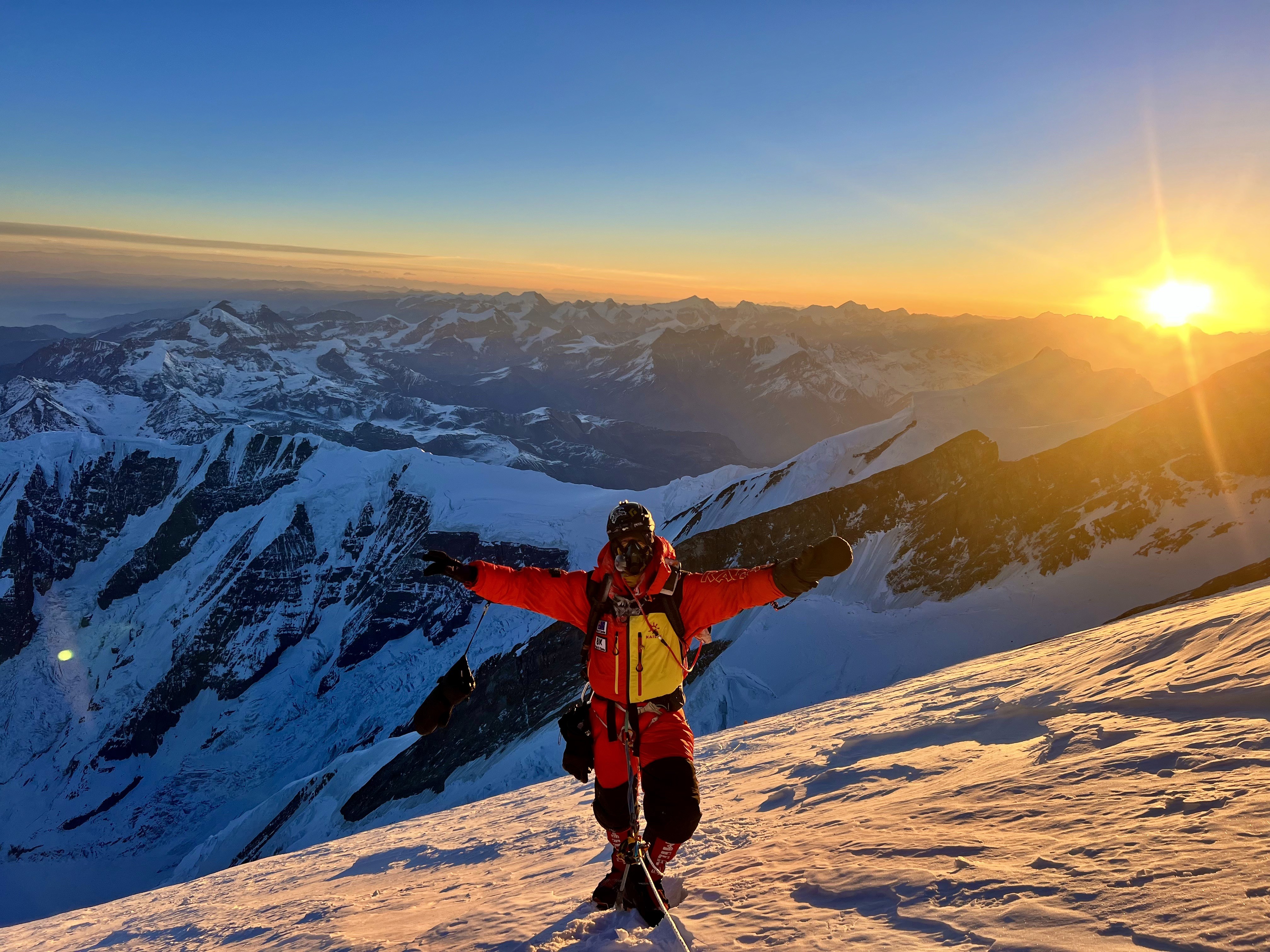
After climbing through the night, daylight slowly began to reveal the upper mountain around us.
The weather couldn’t have been much better.
Clear skies. Very little wind. And incredible visibility across the Himalayas.
There were around fifteen climbers ahead of us on the upper mountain, so Ashok and I deliberately slowed down and allowed the summit to clear rather than joining everyone at once.
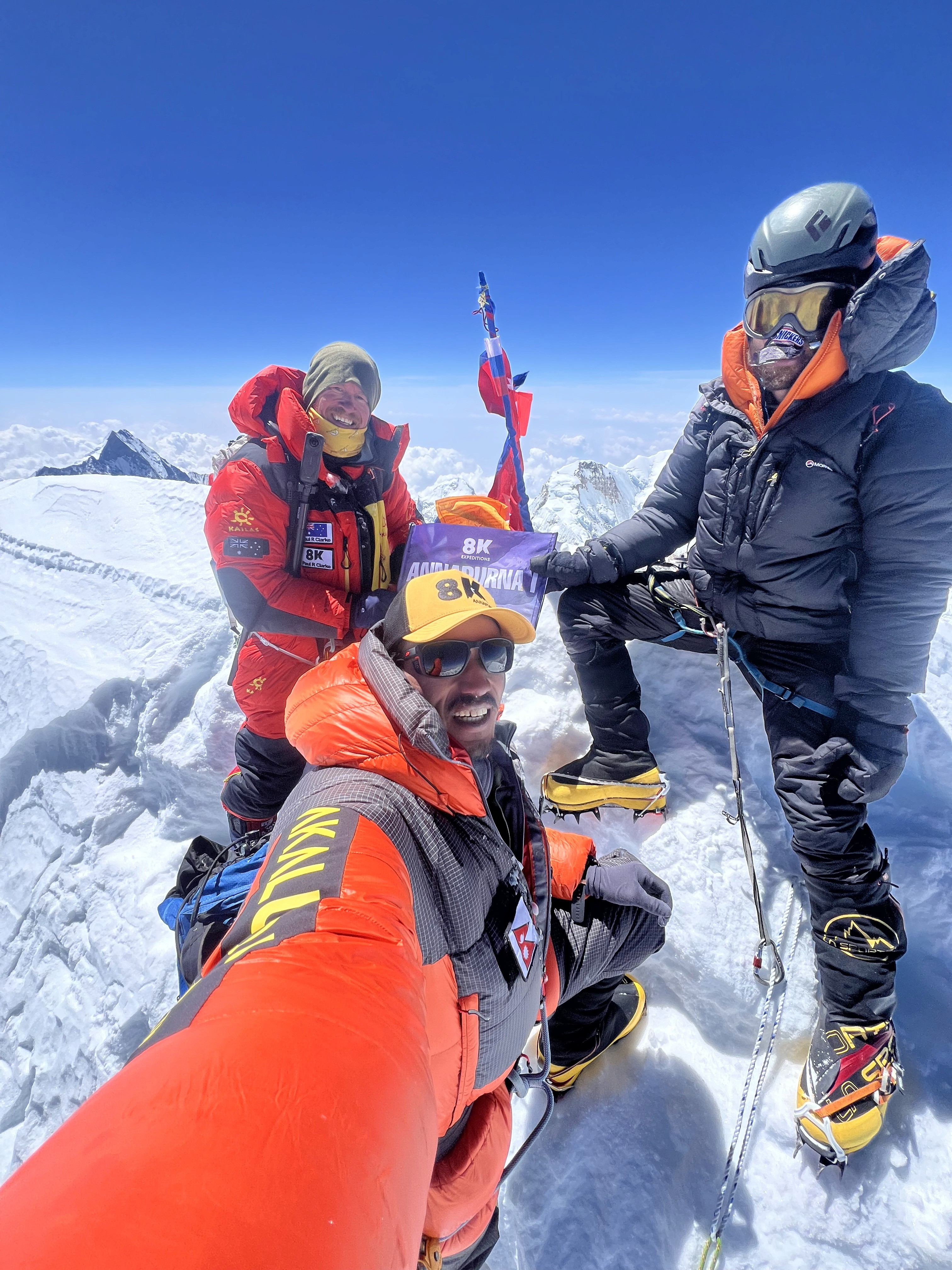
After roughly seventeen hours of climbing from Camp 3, we finally reached the summit of Annapurna on the morning of April 18.
8,091 meters.
My second 8,000-meter summit.
Standing on top of Annapurna was a huge moment, but there wasn’t much time to process it.
On an 8,000-meter mountain, reaching the summit is only half the job.
We still had to get back down.
THE LONG WAY DOWN
We left the summit and began the long descent back toward Camp 3.
It took around seven hours.
By the time we reached Camp 3 after 5pm, we'd been moving for almost twenty-four hours.
We slept there that night and started descending again at around 8am the following morning.
Below Camp 3, we rappelled toward Camp 2.
Then we came across the same climber we'd found in trouble during the summit push.
Her condition had deteriorated badly.
She was suffering from severe altitude sickness and needed oxygen. A helicopter rescue was requested, but cloud prevented the helicopter from reaching her.
The descent continued.
We were tired, the mountain was still dangerous, and there were other climbers struggling to get down.
What should have been a straightforward descent became another very long day.
We eventually reached Base Camp at around midnight.
I was exhausted.
But the expedition wasn't finished yet.
DAWA
Back at Base Camp, another situation was developing high on Annapurna.
Dawa Nurbu was missing above Camp 4.
The following day, Ashok flew by helicopter back up to Camp 3 at around 7,200 meters.
From there, he climbed back toward 8,000 meters looking for Dawa.
He found him alive.
Ashok gave him oxygen and something to drink before helping him back down toward a point where he could eventually be evacuated.
Watching Ashok head back onto the mountain after everything we’d just been through put the expedition into perspective.
We’d reached the summit.
But the mountain wasn’t finished with us.
Annapurna had become about far more than standing on top.


LESSONS FROM ANNAPURNA
Annapurna taught me a lot.
Not just about climbing an 8,000-meter mountain, but about how small equipment decisions become much bigger once you’re operating at altitude for days at a time.
One of the clearest examples was my boots.
I’d climbed Annapurna in my Millet 8,000-meter boots. They had done the job, but by the end of the expedition I was ready for something newer and lighter. The design was showing its age, particularly when I was trying to deal with frozen laces and make adjustments with cold hands high on the mountain.
Before leaving for Makalu, I switched to the La Sportiva Olympus Mons Pro.
The difference was immediately noticeable. They were a much more modern boot, significantly lighter than the Millets and better suited to the way I wanted to move on the remaining mountains that spring.
Annapurna also reinforced how much the small systems around the climbing matter.
Having the Starlink setup at the high camps meant we could stay in contact with Base Camp, speak to family and keep people updated from a place where, not that long ago, you would have been almost completely cut off.
My Garmin Fenix 8 had been quietly recording the other side of the climb, altitude, heart rate and hours of movement, while the cameras documented what the numbers couldn’t show.
And the expedition highlighted weaknesses too.
I carried a Zoleo throughout the spring season, but after repeatedly seeing how poorly it coped with extreme cold, I eventually moved to the Garmin inReach Mini 3+. On an 8,000-meter mountain, communications equipment needs to work when everything else is freezing.
But the biggest lesson from Annapurna had nothing to do with equipment.
Reaching the summit was only half the job.
What happened on the mountain afterward, and the effort to help another climber get back down, was another reminder that an expedition isn’t finished when you stand on top.
You still have to get everyone home.
And there wasn’t much time to recover.
Makalu was next.
WATCH THE STORY
EXPEDITION FILMS
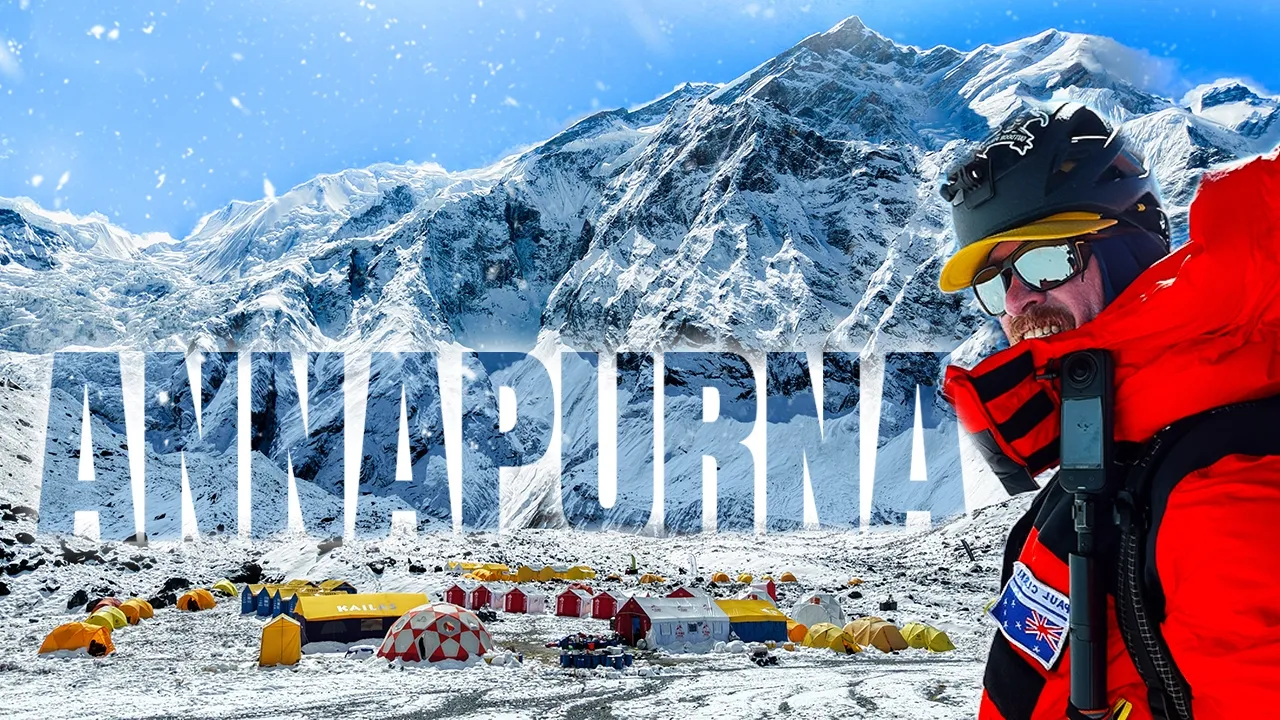
Annapurna Base Camp Trek
FIELD NOTES / PHOTOGRAPHS
FROM THE EXPEDITION
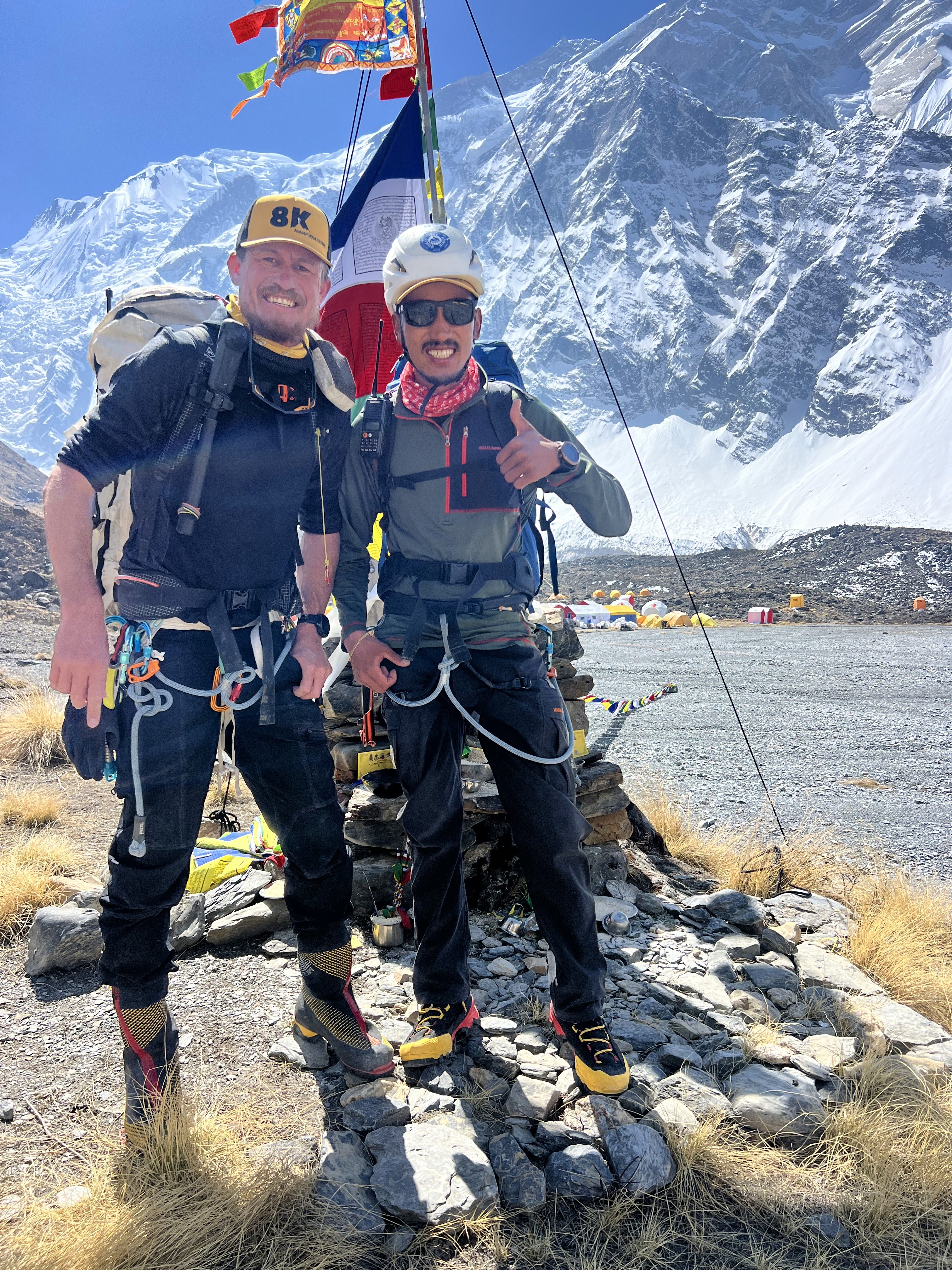
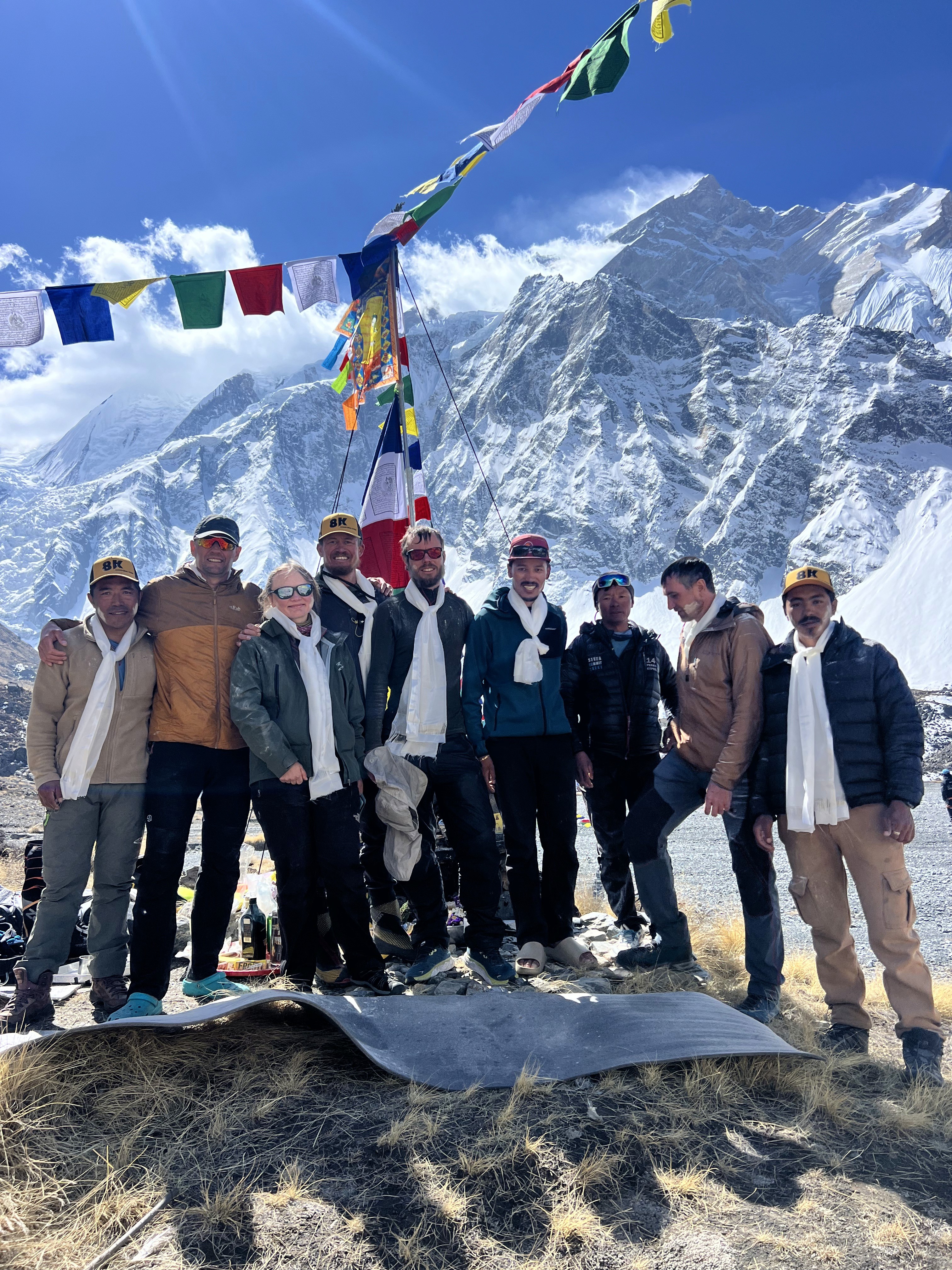
Annapurna Base Camp
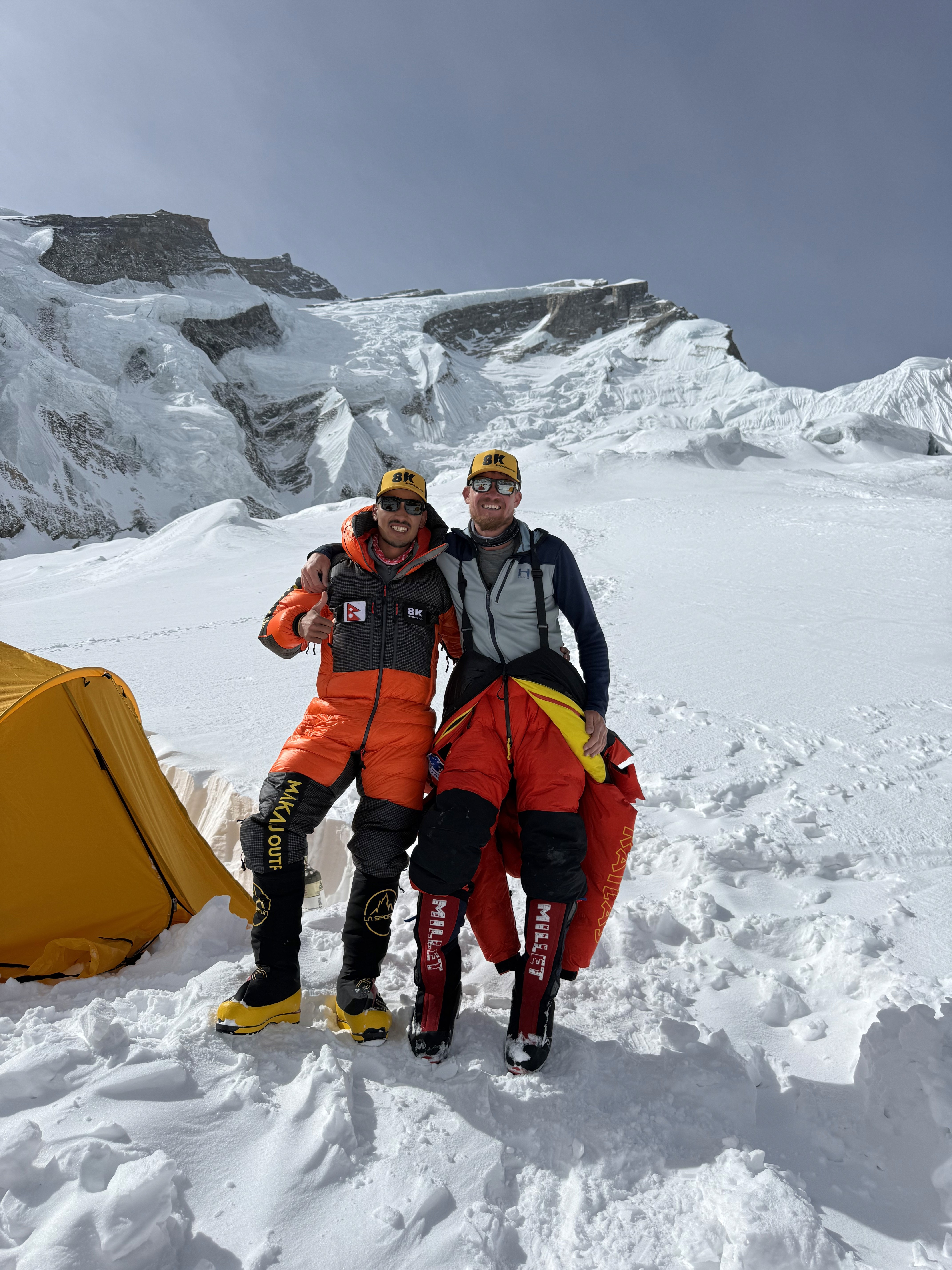
Ashok and I
Taken on the morning we departed BC on our summit push,
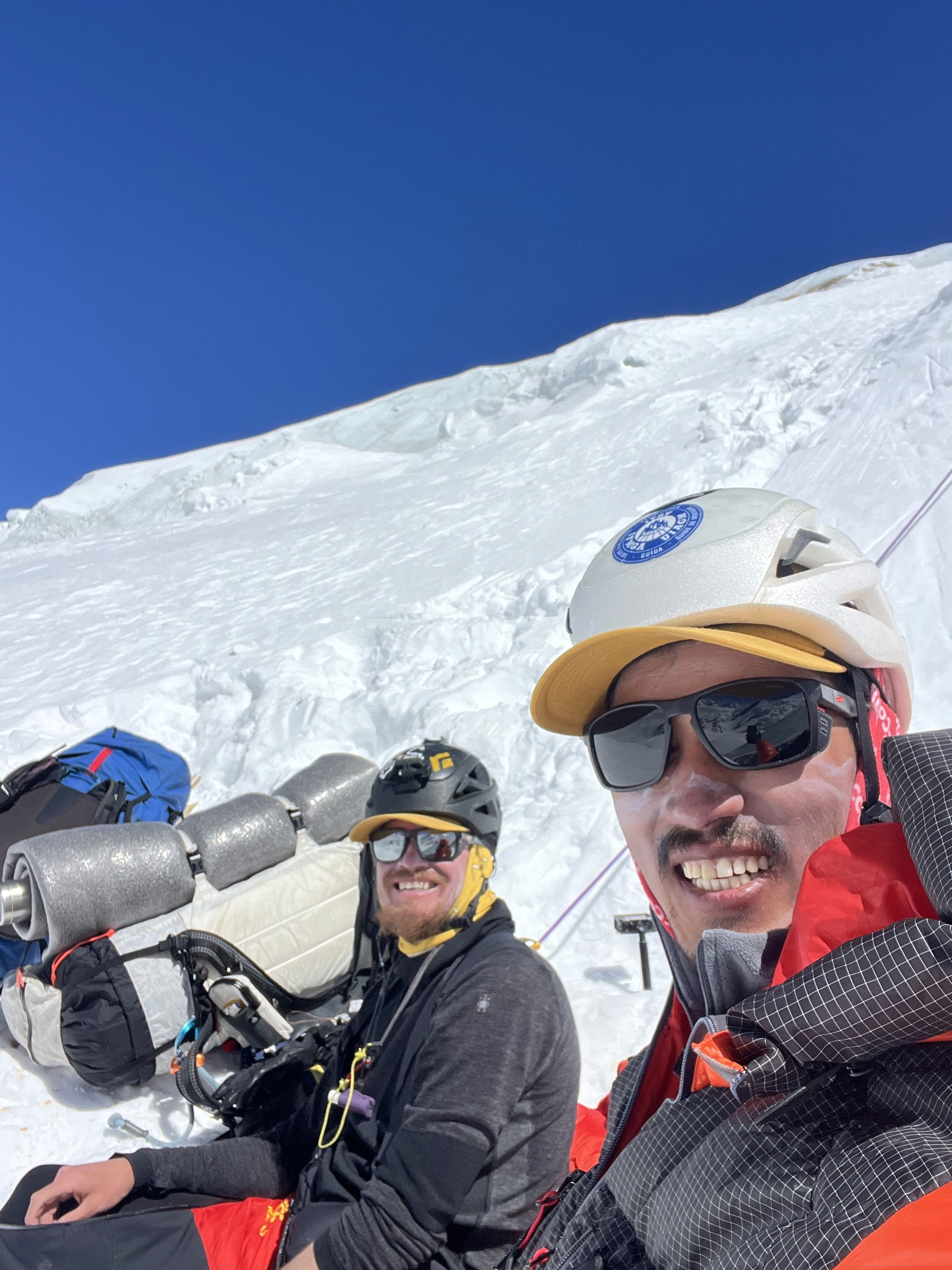
Annapurna 1 Summit
Annapurna 1 Summit!!
Ashok, Andreas and me on the summit of Annapurna 1!
MOUNTAIN DETAILS
ALTITUDE
8,091
M
COUNTRY / REGION
Nepal
ROUTE
Normal
OPERATOR / GUIDE
8K
CONTINENT
Asia
MOUNTAIN RANGE
Himalaya
https://youtu.be/YpmlRBd8vhQ
