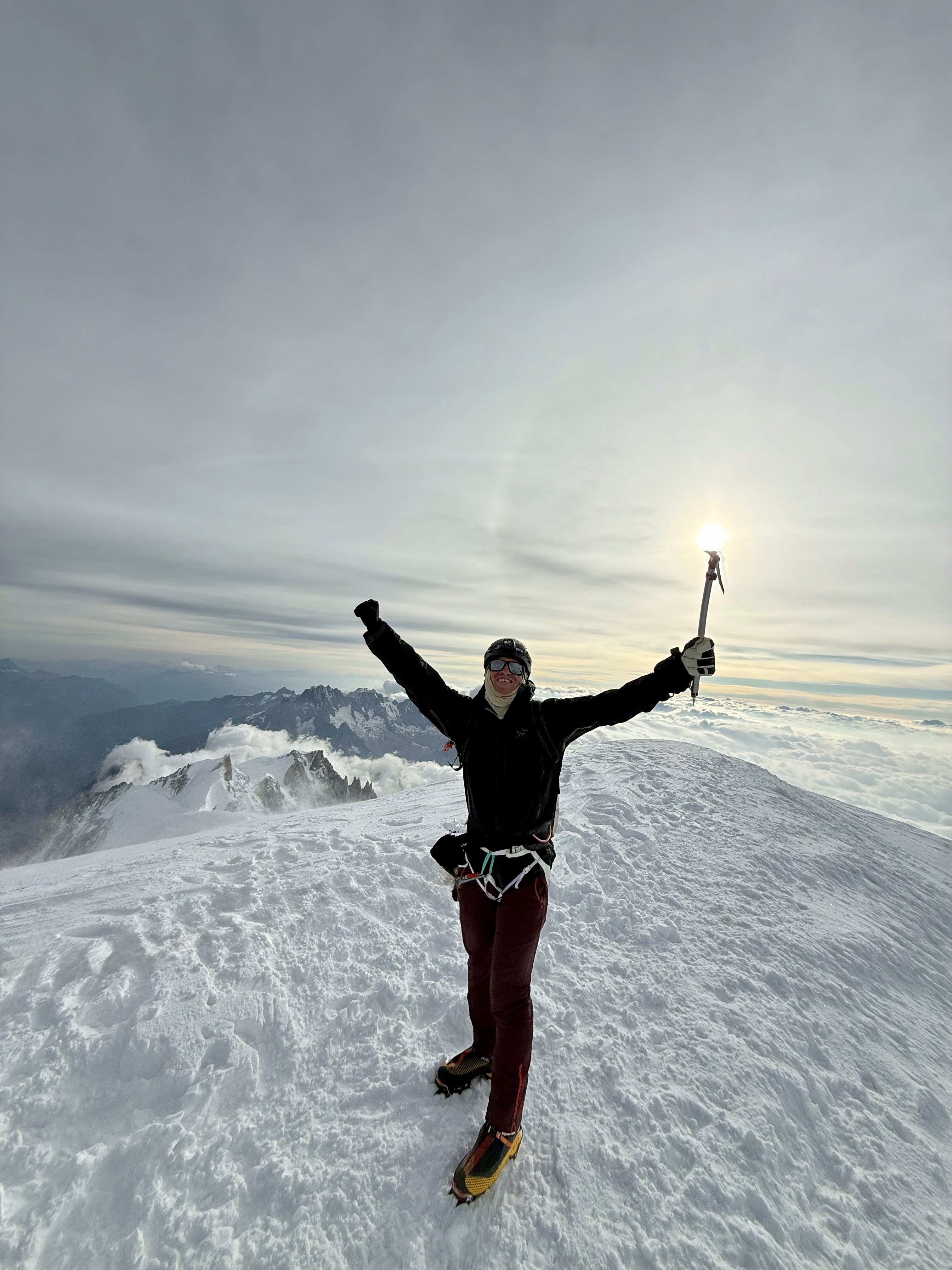
How Do I Get Started in Mountaineering?
Want to get into mountaineering but don't know where to start? Start slow, build your endurance, learn the skills and let the mountains get bigger as your experience does.

CHAPTER 1
How Do I Get Started in Mountaineering?
One of the questions I get asked all the time is: how do I get started in mountaineering?
Usually it's followed by something like, “I'd love to climb Everest one day,” or “I want to climb a 6,000m mountain, but I've never climbed before.”
My answer is pretty simple:
Start slow.
You don't need to book a Himalayan expedition. You don't need thousands of dollars worth of equipment. And you definitely don't need your first mountain to be particularly impressive.
What you need is time in the mountains.
Mountaineering is a collection of skills and experience built over time. Fitness matters, but so do endurance, navigation, rope work, movement, weather, equipment, decision-making and simply learning how you operate when you're cold, tired and uncomfortable.
The best way to learn all of that is progressively.
Start Slow
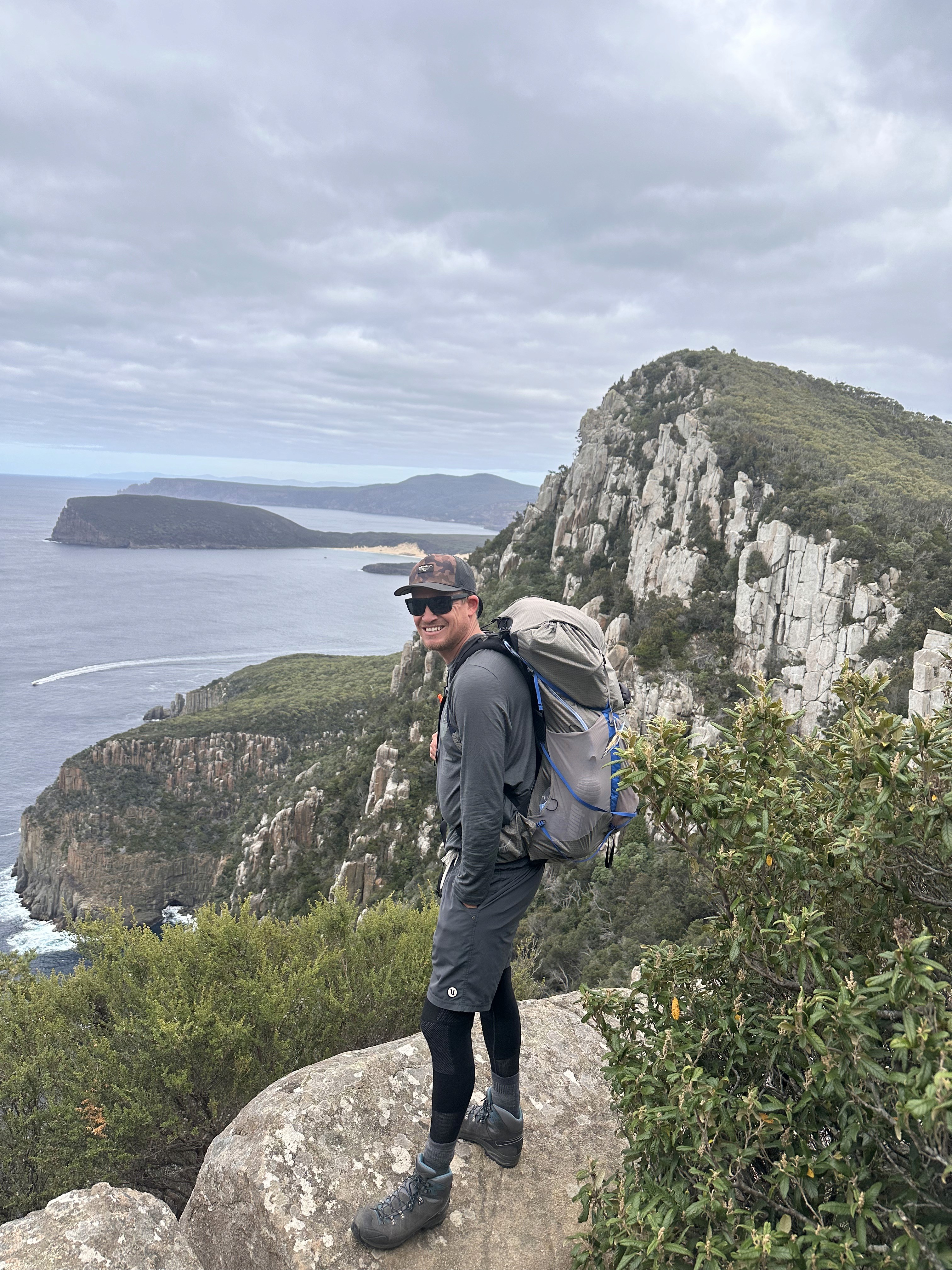
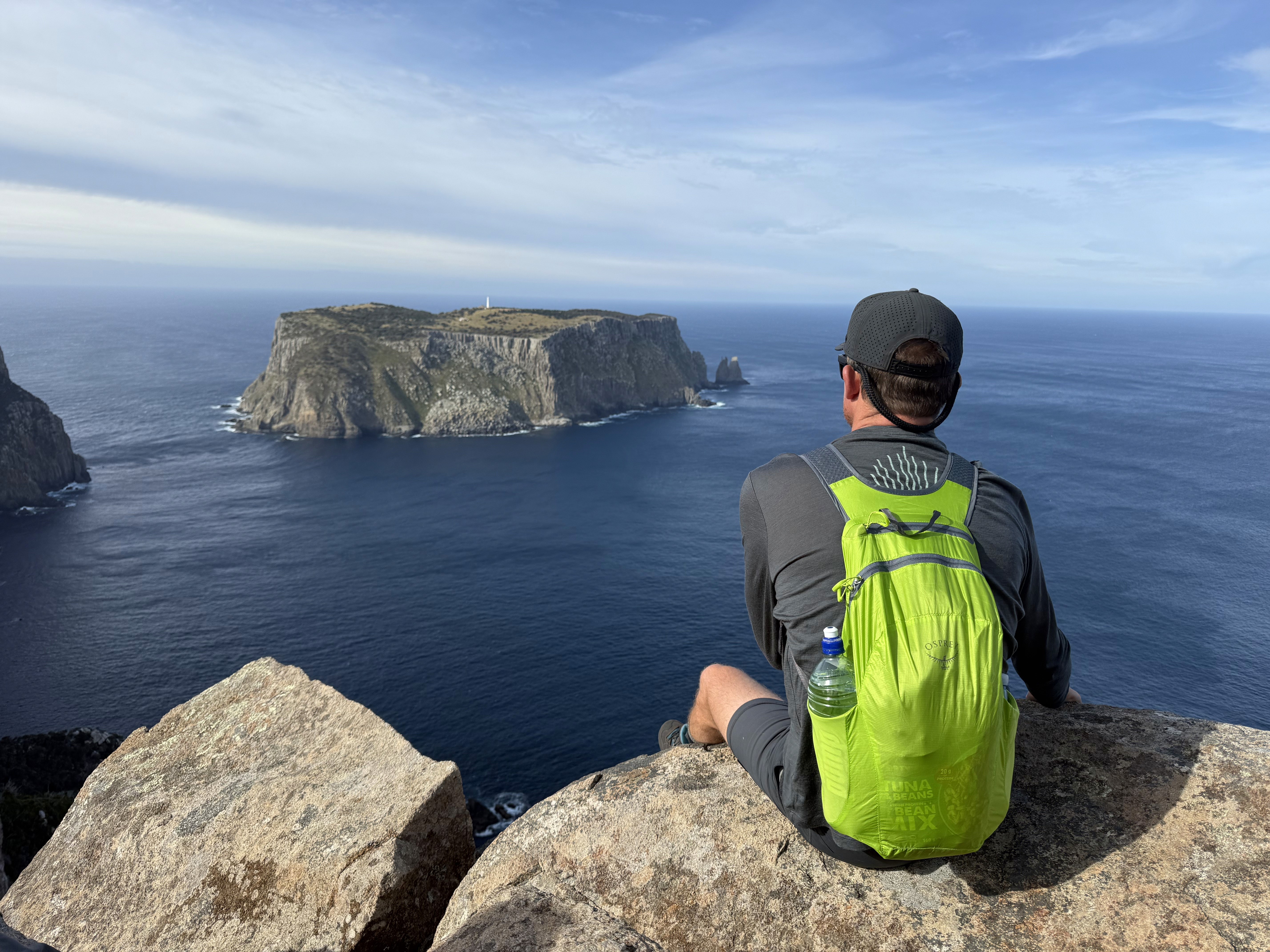
If you've never climbed a mountain before, start by hiking.
Seriously.
Find local trails. Start doing longer days. Carry a pack. Add elevation. Go when the weather isn't perfect. Learn what clothing works for you, how much water you drink, what food you actually want to eat after six hours and what happens to your feet after a long day.
Then start adding more.
Try some scrambling. Spend time on steeper terrain. Do overnight trips. Carry camping equipment. Get comfortable being outside when it's cold, wet or windy.
None of that might sound as exciting as signing up for a big expedition, but you're building the foundations you'll rely on later.
And smaller mountains are a fantastic place to make mistakes.
Forget your gloves on a local mountain and you might have an uncomfortable afternoon.
Make the same mistake high on an 8,000m mountain and the consequences can be very different.
That's one of the biggest reasons I think people should progress gradually.
You're not just training your body. You're learning hundreds of little systems: what to wear, when to eat, how to pack, how to manage temperature, when to turn around, how quickly weather can change and what equipment you actually need.
Eventually those decisions become almost automatic.
Your first goal shouldn't be building an impressive summit résumé. It should be building experience.
The mountain doesn't care whether it's impressive enough for Instagram. A relatively small mountain can teach you something that might eventually save your life on a much bigger one.
Build Endurance
As you start thinking about bigger mountains, one thing I would put a huge amount of emphasis on is endurance.
I came into mountaineering with a strong endurance background. I'm a marathon runner and I've competed as a semi-professional Ironman triathlete, and I think that endurance base has been incredibly valuable in the mountains.
Big mountains aren't normally about producing one enormous effort for an hour and then going home.
You have to be able to get up the next morning and do it again.
And again.
And again.
Everest is a good example.
During my summit push, I had six consecutive days where I was moving for more than eight hours a day. In the middle of that, the summit push itself was almost a 20-hour return trip.
Then you still have to get up and keep moving the next day.
That's a very different physical challenge from being able to push incredibly hard for an hour in a gym.
Your body needs to become comfortable moving for long periods, recovering, waking up tired and then continuing.
You absolutely don't need to become a marathon runner or an Ironman triathlete to become a mountaineer. But if your ambitions are eventually taking you towards bigger mountains and expeditions, I think building a serious endurance base is incredibly important.
Start with hiking.
Make the days progressively longer.
Carry a pack.
Do back-to-back days instead of always recovering completely between sessions.
Walk uphill. Walk downhill. Occasionally spend eight or ten hours on your feet.
Running, cycling, swimming and other endurance sports can all help build that aerobic engine as well. Find something you enjoy enough to do consistently.
The exact activity matters less to me than developing the ability to keep moving for a very long time.
Because that's what big mountains eventually ask you to do.
Endurance. Endurance. Endurance.
Don't Buy Everything on Day One
Another mistake I see when people get interested in mountaineering is thinking they immediately need to buy all the equipment.
You don't.
If you're going to climb something like Mont Blanc as your first proper mountain, rent the technical equipment.
Mountain towns generally have plenty of places where you can rent boots, crampons, ice axes, helmets and other equipment.
You don't need to spend a fortune on a pair of high-altitude boots before you've even discovered whether you actually enjoy mountaineering enough to keep doing it.
I certainly didn't start with the equipment I use today.
My gear has progressively become lighter, more specialized and, unfortunately, considerably more expensive as I've gone further into the sport.
In the beginning, I had much cheaper equipment and upgraded things as I gained experience and learned what actually mattered to me.
There are, however, a couple of areas where I think buying decent equipment relatively early makes sense.
Footwear is one of them.
A good pair of trekking or approach shoes can last a long time, and you'll potentially use them constantly.
I use Scarpa Rapid XT approach shoes for a huge amount of my trekking and mountain approaches. They're not particularly expensive compared with specialized mountaineering boots, they've lasted well, and they're something I can use across a lot of different terrain.
A backpack is another place where I think it's worth buying something decent.
You don't have to immediately go super-ultralight or buy the most expensive pack available, but a good pack can stay with you for years. It's also one of the easier places to save weight without compromising on much else.
One of my first proper mountaineering packs was the Hyperlite Mountain Gear Prism 40.
I really liked it then, and years later I still have and use it.
My basic rule would be:
Rent the specialized equipment first. Buy the things you'll use regularly. Upgrade as your experience grows.
Don't Rush the Progression
It's very easy now to see somebody climb Everest, Aconcagua or a 6,000m trekking peak and think that's where you need to start.
You don't.
There's nothing wrong with having Everest as the ultimate goal. Big objectives are fantastic motivation.
But you don't have to skip everything between where you are now and where you eventually want to be.
Every mountain can be a stepping stone.
Make your days longer. Make the terrain steeper. Add a heavier pack. Add camping. Add winter. Add altitude. Add technical climbing.
Just don't add all of those things at once.
That's a principle I think is incredibly important for someone starting out:
Try not to make every part of the mountain new at the same time.
CHAPTER 2
Learn the Skills
As your objectives get bigger, fitness alone isn't enough.
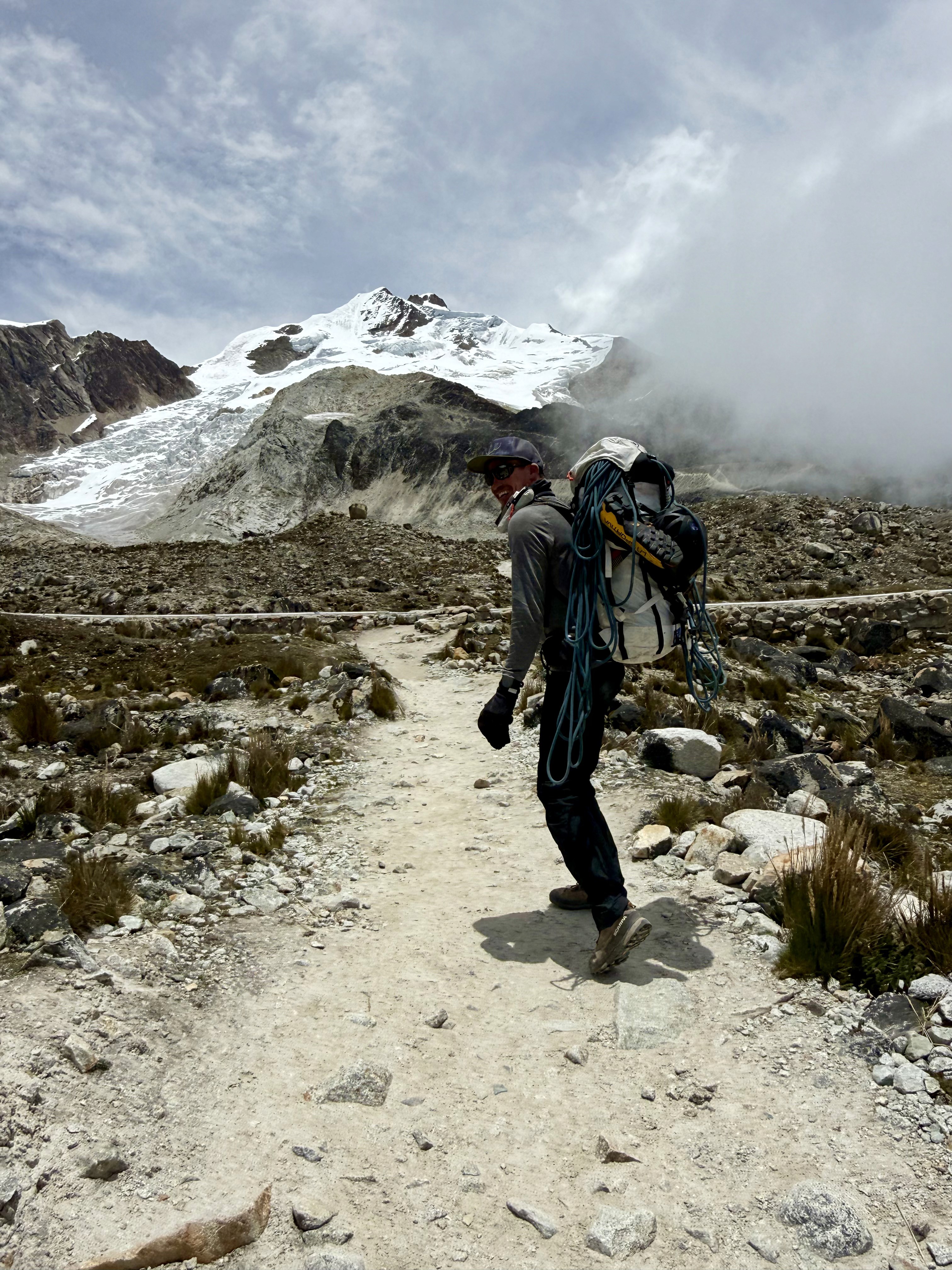
Eventually you're going to encounter ropes, crampons, ice axes, glaciers, snow, rock, anchors, rappelling, crevasses and increasingly complicated terrain.
Learn those skills somewhere where mistakes are relatively forgiving.
A basic mountaineering or alpine-skills course can be a great investment.
Learn how to walk properly in crampons. Learn how to use an ice axe. Practice self-arrest. Learn basic knots and rope systems. Understand anchors, glacier travel and crevasse rescue.
And don't learn something once and assume you know it.
Practice it.
You want the fundamental skills to become increasingly automatic because everything is harder when you're actually in the mountains.
It's easy to tie a knot when you're standing somewhere warm with bare hands.
It's different when you're exhausted, your gloves are on, it's dark, the wind is blowing and your brain isn't working as quickly as normal.
That's where repetition matters.
You Don't Need the Most Expensive Technical Gear
When you do start buying your own technical equipment, don't assume ultralight and expensive automatically means better.
My Petzl Sarken crampons are a good example.
They're not the lightest crampons available, but they're relatively inexpensive, extremely durable and basically bulletproof. I've used them extensively and think they're a fantastic piece of equipment.
For your first ice axe, you probably don't need anything exotic either.
A straightforward, longer, straight-handled mountaineering axe from a reputable manufacturer such as Petzl, Black Diamond or Blue Ice is a perfectly sensible place to start.
The same applies to helmets.
Protecting your head obviously matters, but that doesn't mean your first helmet needs to be an expensive ultralight model.
You can pick up a basic plastic climbing helmet relatively cheaply that will do exactly what you need while you're learning.
Harnesses are similar.
I now use an Arc'teryx Skaha Harness, which I really like because it works well for both mountaineering and rock climbing.
But I certainly wouldn't suggest everybody needs to spend that kind of money when they're starting out. There are plenty of much cheaper basic harnesses that will get you climbing.
Trekking poles are largely personal preference.
I personally don't use them particularly often, although plenty of mountaineers do. When I do use poles, I like the Black Diamond Alpine poles.
The important thing isn't having the same equipment I use.
It's having appropriate equipment, knowing how to use it and gradually figuring out what works for you.
Go Rock Climbing
I think rock climbing is one of the best things you can add to your mountaineering progression.
It develops strength, balance, movement and confidence on steep terrain, but just as importantly, it teaches rope skills.
I try to get outside as much as possible for both trad and sport climbing, and when I'm home in the city I'll often get into an indoor bouldering gym a few times a week.
If you're starting out, climbing gyms are incredibly accessible.
You can start bouldering without knowing complicated rope systems. From there you can learn to belay, start sport climbing and eventually progress into outdoor climbing and trad if that's where your interests take you.
The goal isn't necessarily to become an elite rock climber.
It's to become comfortable moving on technical terrain and handling equipment.
The more you use ropes, carabiners, belay devices, knots and anchors, the less mental energy those systems eventually require.
That's incredibly valuable when you move into bigger mountains.
Use Guides to Learn
There's absolutely nothing wrong with climbing with a guide.
A good guide can accelerate your learning enormously.
But if your long-term goal is to become a mountaineer rather than simply reach one particular summit, use the opportunity to learn from them.
Ask questions.
Why are we taking this route?
Why are we turning around?
Why did you choose that anchor?
What are you looking at in the weather?
Why are we leaving at this time?
What are the objective hazards?
Don't just follow the person in front of you without understanding what's happening.
Over time, try to become a more capable and independent member of the team.
For me, that's an important distinction.
Reaching summits is great.
Becoming a better mountaineer is better.

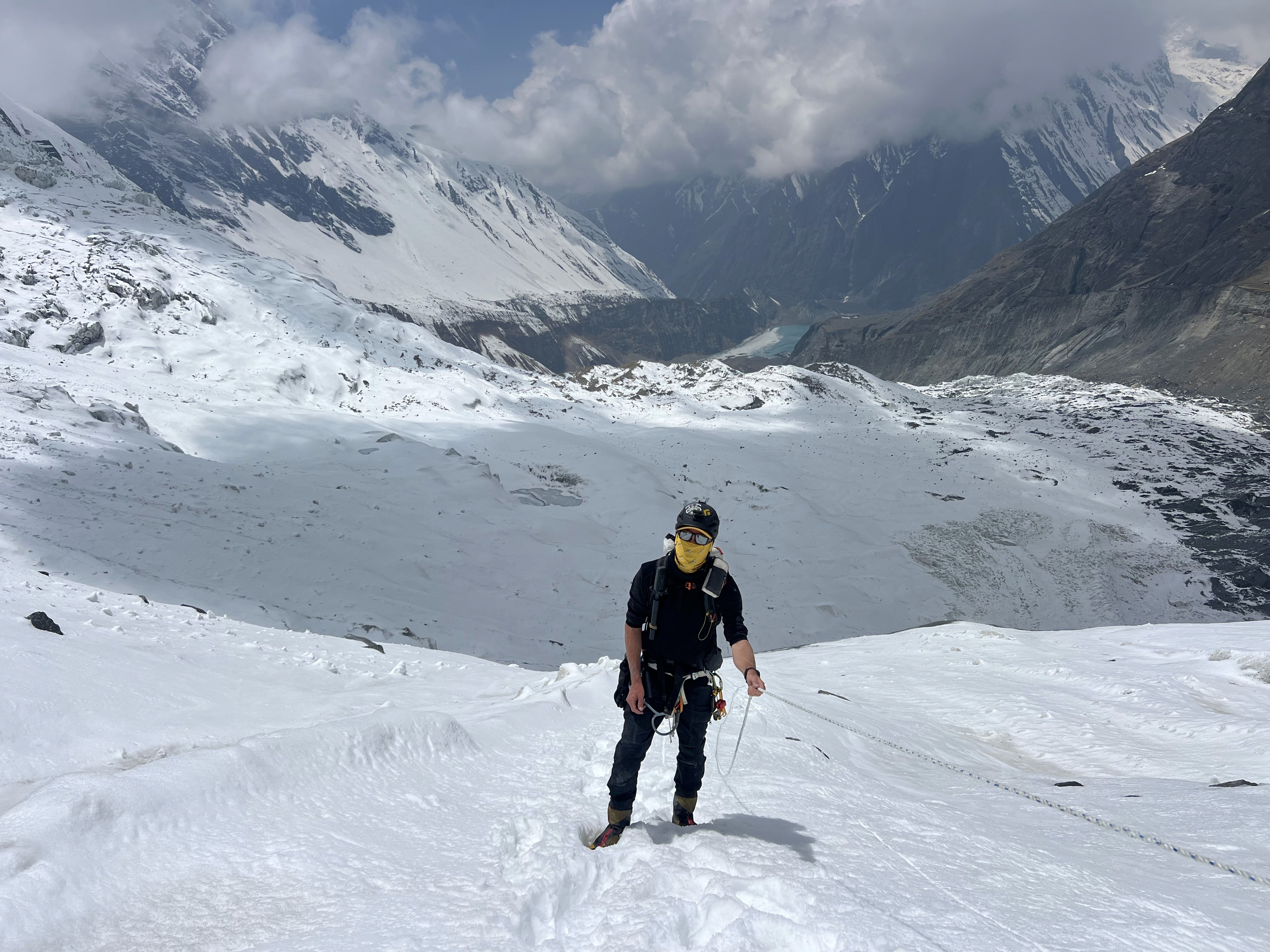
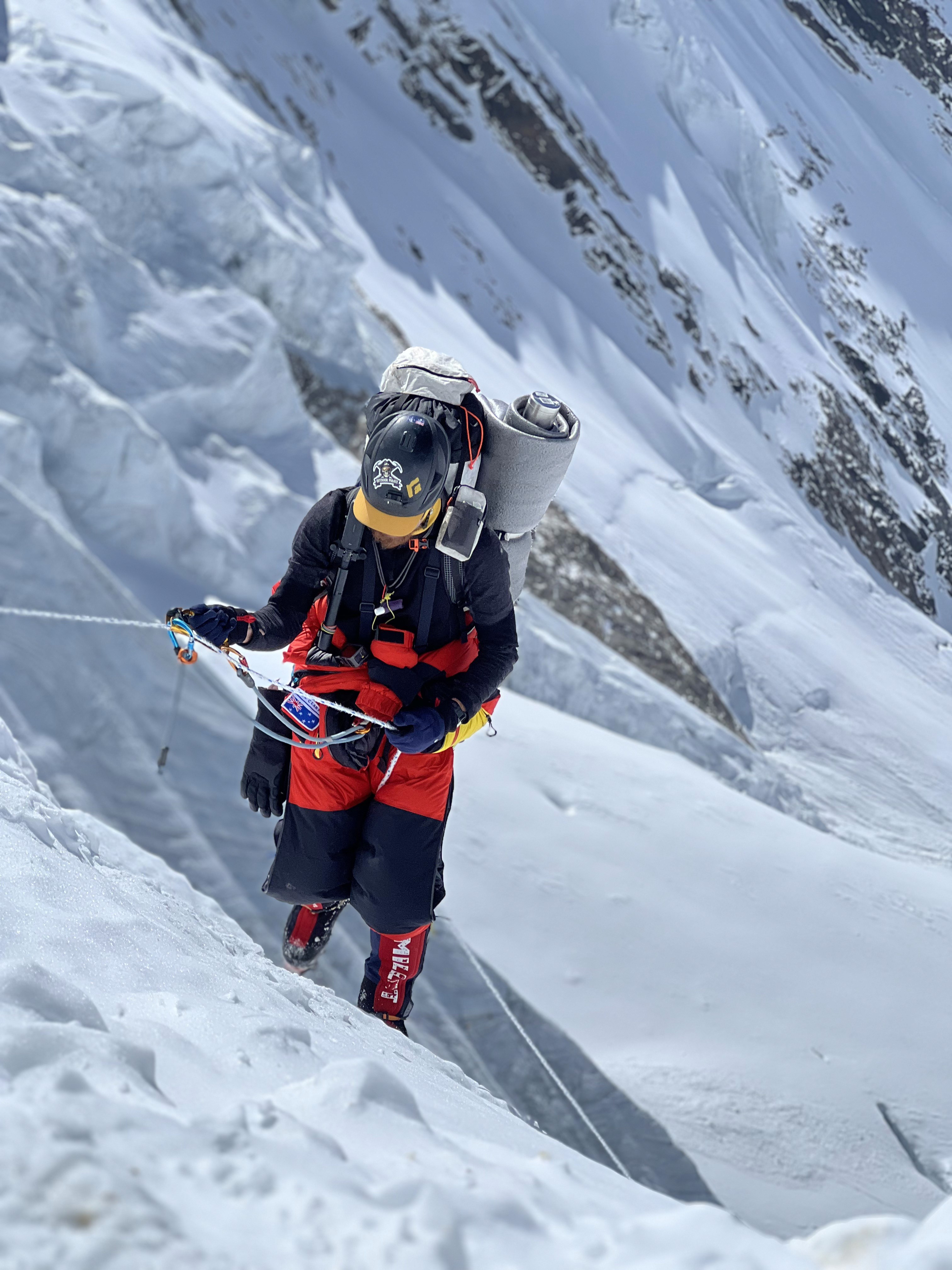
CHAPTER 3
Build Your Progression
There isn't one perfect progression into mountaineering.
Someone coming from rock climbing has a different skill set from an ultrarunner, skier, trekker or somebody who grew up climbing in the Alps.
But the principle is the same:
Build progressively.
You might start with hiking and scrambling, then learn basic rope and alpine skills.
Climb some straightforward peaks.
Spend time on snow.
Get onto a glacier.
Try winter conditions.
Then perhaps go to 4,000m.
Later, try 5,000m.
Then maybe 6,000m.
There's no magic number and it isn't a checklist you need to follow exactly.
The point is to gradually expose yourself to bigger environments while building the skills to deal with them.
Learn How Your Body Handles Altitude
Altitude itself is another thing you need to learn.
You need to understand how your body responds, how quickly you acclimatize, whether you can eat and sleep high, how your pace changes and what altitude does to your decision-making.
Everyone responds differently.
That's another reason I don't think someone's first big mountain should introduce every possible variable at once.
Your first experience above 5,000m doesn't also need to be your first time wearing crampons, your first glacier crossing, your first night camping in extreme cold, your first time using fixed ropes and your first major expedition.
Add new variables gradually.
That gives you the opportunity to understand what's happening, learn from it and carry that experience into the next mountain.
Don't Just Chase Altitude
I also wouldn't become obsessed with the height of the mountain.
Higher doesn't automatically mean more technically difficult, and lower doesn't mean easy.
A technical 4,000m mountain can teach you far more about mountaineering than walking up a relatively straightforward 6,000m peak.
That's why I'd build variety into your progression.
Hike.
Scramble.
Rock climb.
Camp.
Climb in winter.
Learn ropes.
Travel on glaciers.
Climb at altitude.
Experience bad weather.
Carry your own equipment.
And turn around occasionally.
That last one matters.
Learning when not to summit is part of becoming a mountaineer too.
If Everest Is Your Dream
If you've never climbed a mountain and your dream is to climb Everest one day, I wouldn't tell you that you can't.
I'd tell you to start.
But I wouldn't start by booking Everest.
Use the next year to build the foundations.
Get outside regularly.
Build your endurance.
Become mountain fit.
Hike with a pack.
Start rock climbing.
Take a mountaineering course.
Learn crampons and an ice axe.
Do some scrambling.
Climb some straightforward mountains and spend nights outside.
Then choose your next objective based on what you've learned.
You don't need to know your entire progression today.
You just need the next mountain to teach you something.
As you gain experience, the objectives will naturally become bigger and more complicated.
And eventually, something that once seemed completely unrealistic starts becoming the logical next step.
You Don't Need to Be a Mountaineer Before You Start
Everybody starts somewhere.
You don't need the best gear.
You don't need to live next to the Himalayas.
You don't need to already know how to use every piece of equipment.
And you don't need to call yourself a mountaineer.
Start hiking.
Build your endurance.
Start climbing.
Learn the skills.
Find people who know more than you do.
Take courses.
Use guides when they're appropriate.
Rent the expensive specialist equipment while you're figuring out what you need.
Buy good equipment when you know you'll use it.
Make mistakes on smaller mountains where the consequences are manageable.
And keep progressing.
Start slow. Build endurance. Build experience. Let the mountains get bigger as your skills do.
Want to See What I Actually Use?
I've put together the clothing, climbing equipment, packs, electronics and other gear I actually use on expeditions rather than a generic list of products I think you should buy.